05 Apr Targeting Pest Management Naturally: Beneficial Insects
Posted at 12:50h
in Pest Control Blogs


Tel: 011 794 4060 | Email: info@kallvest.co.za


I never thought you’d hear these words from my mouth, but guess what? Not all bugs or insects are bad. Looking back, I would always look at insects, grouping them and regard them all as pests, but this is, in fact, untrue. Only a small number of insects are true pests, while some of the remaining insects at large assist humans and their gardening endeavours.
But what is a beneficial insect, and what is a pest? How do beneficial insects help humans, and what is the difference between the two?
A beneficial insect helps to reduce pest damage, pest populations, or even pest infestations. They assist in the garden by pollinating flowers, consuming problem pests, or even aerating soil, leaving the area better off after their presence, and providing a naturally integrated pest management system.
Beneficial insects can either be pollinators, pollinating your flowers themselves or encouraging pollination, or alternatively, they are predators, consuming pests and keeping harmful or irritating pest populations down. A good suggestion would be to attract some of both pollinating and predatory beneficial insects, to ensure that you have both bases covered.
A pest is a living creature seen as undesirable or harmful to humans or human concerns. This can include causing damage and destruction to homes, building structures, crops, gardens, and livestock. Lastly, they can have severe consequences by carrying diseases that could be dangerous to humans.
Many pests can also carry diseases that affect humans, including:
Rats & Mice – Salmonella, Leptospirosis, plague, and typhus
Flies – Cholera, Dysentery
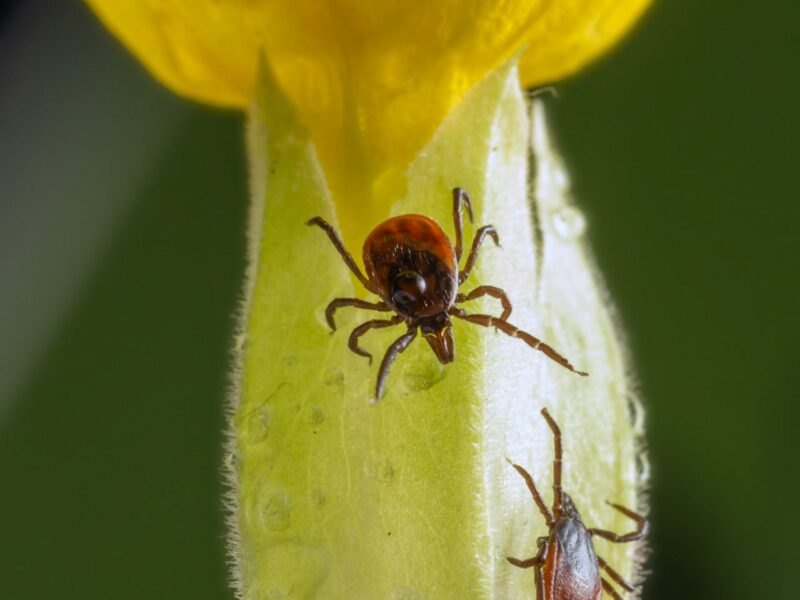
Ticks – Tick bit fever and Lyme’s disease
Cockroaches – Dysentery
Many insects are not just bugs that eat your plants, a nuisance to humans, or cause chaos wherever they go. Some play important positive roles within your garden, forming a natural pest management service by consuming other pests, while others pollinate your plants and even aerate the soil.
There are many important insects in the garden, including soldier beetles, parasitic wasps, and the praying mantis, and they all play a role in keeping a garden’s pest management system working. We have chosen five of the more common and well-known ones to touch on.
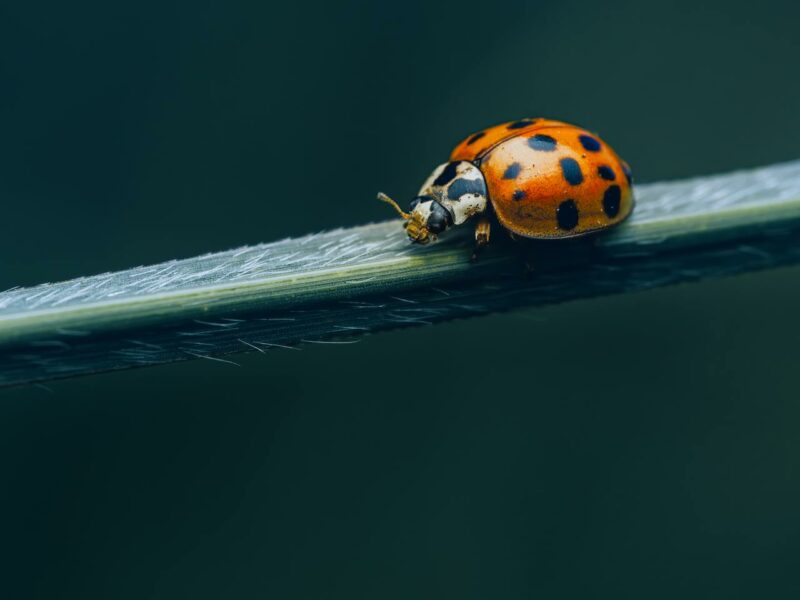
Ladybugs play a very positive role in your natural integrated pest management system, by eating aphids and mites that prey on your garden’s plants.
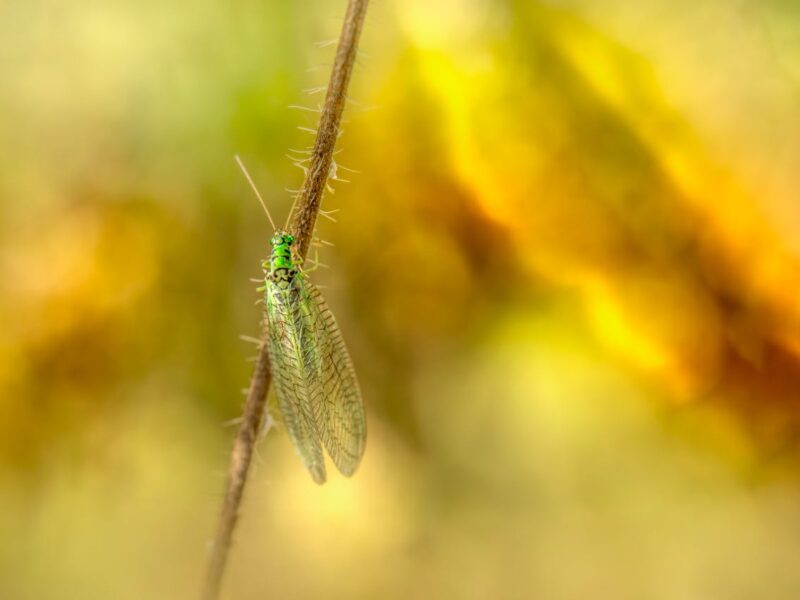
Green lacewings are greenish-brown insects with mostly transparent wings, and they are a great addition to any garden. Not only do they not bite or sting, but they prove to be extremely useful in keeping pests such as white lacewings, aphids, insect eggs, and caterpillars in check.
Technically, the spider isn’t an insect, but rather an arachnoid, but their role is of great importance, so we’ll include them here as an honorary insect! Let’s be honest here, not many people like these beneficial assistants. It might be their hairy legs, excessive eyes, or…well…just about everything about them. The bottom line is that they help in keeping irritating pest populations down. They eat anything from cockroaches, mites, gnats, flies, mosquitos, and worms!
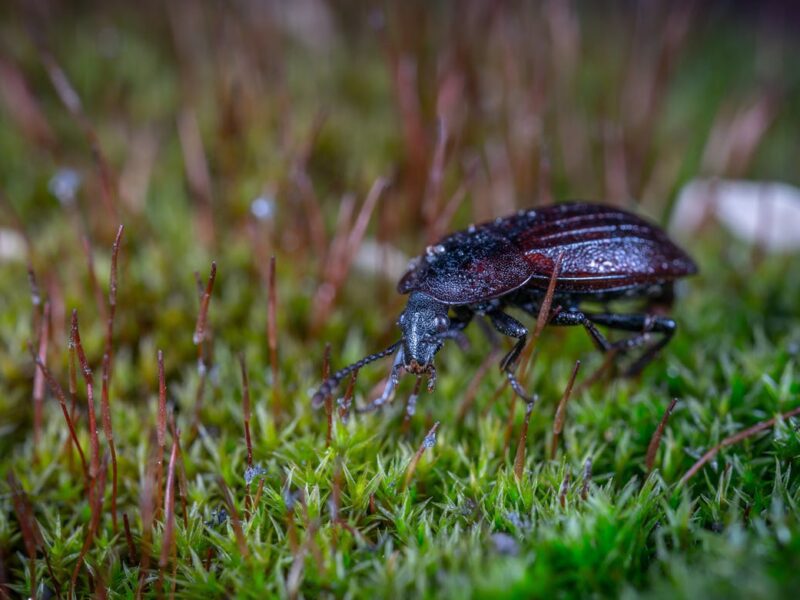
Ground beetles not only eat weed seeds but also consume pest insects such as caterpillars, fly maggots, silverfish, weevils, slugs, and other beetle larvae.
Bees are probably the most beneficial insects there are, as they assist in pollinating flowers and plants in the garden. Not only that, but they also provide honey, and what is tastier than that?
There are a couple of ways to encourage beneficial insects to take up residence in your garden, including amongst others:
Yes, some types of plants will be more successful than others in attracting beneficial insects. Try including some of these plants, herbs, and flowers in your garden, to assist in attracting beneficial insects and assisting with your pest management control:
Herbs to include in your beneficial-friendly garden include fennel, basil, coriander, mint, and parsley.
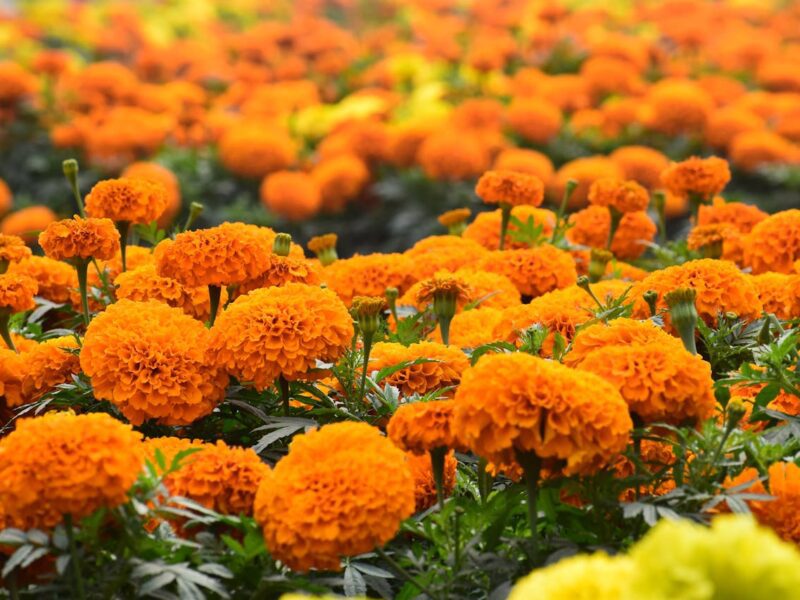
Other plants and flowers that are suggested to be included within your garden to attract beneficial insects are sunflowers, marigolds, lavender, buckwheat, wild mustard, yellow rocket, milkweed, and dandelion, to mention but a few of a wide range.
Should you experience major challenges in your garden with pests who are now deciding to move indoors and are targeting your home or office, give Kallvest a call to assist.
As an integrated pest management solutions company, they have the knowledge, experience, and expertise to assist you with your pest management challenge.
