

06 Oct WAYS TO KEEP PESTS OUT OF YOUR GARDEN – NATURALLY
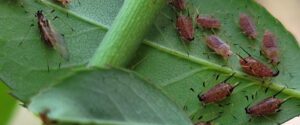 There comes a time when you just need to wage war! Waging war over a garden might sound a bit over the top, but ask any gardening enthusiast who has spent a substantial amount of time and effort to establish a garden (whether a working vegetable one or a flower one providing a range of blooming bouquets throughout the year) and they will tell you that garden pests, including bugs, beetles, ants and insects are the bane of their existence! They appear out of the blue and wreak havoc in the blink of an eye. Havoc and damage, I might add that takes a long time to rectify. But many gardeners also don’t want to utilise harsh chemicals, sprays or insecticides to keep pests under control or to eradicate them. Here we share natural methods for dealing with garden pests, without the use of insecticides and expensive or artificial treatments.
So how does one wage war on garden pests, using purely natural methods?
Gardens naturally attract all types of pests and the trick is to know how to combat them, without the use of harsh chemicals or radical equipment. Read on for some great tips on rescuing your bleak, pest ridden garden and turning it back into a beautiful, glowing bouquet of flowers with ripe and ready vegetables!
- Bring on the garlic and onions!
Growing garlic and onions amongst your plants will assist in eradicating common garden pests such as mosquitos, slugs, aphids, beetles, mites, caterpillars and flies.
It has also been said that planting a circle of onions and garlic around the base of fruit trees assists in deterring borer beetles from attacking the tree.
Are your raspberries under attack? Plant some garlic beside them and they will be as safe as houses! And here you thought garlic was only good on pizza!
- Feathered friends can help out
Having birds in the garden can actively assist in pest control. These feathered friends feast on a range of ants, aphids, spiders, grubs, slugs, mosquitos and even grasshoppers. Birds such as robins, swallows and weavers are the perfect addition to any garden and are easy to attract. The little bit of fruit that they might steal or damage that they may cause is heavily outweighed by the good that they do.
- Pretty Flowers for the win
Plant chrysanthemums around your home to keep out bedbugs, fleas, lice, roaches, ants and many more common pests. They also act as a repellent to ticks, spider mites, beetles and an array of other garden pests.
- Companion Plants
Did you know, that for almost every vegetable that you grow, there is a high likelihood of a beneficial companion plant that will help increase soil nutrients, chase away pests and help you get the most out of your garden!
Some prime examples of companion plants include:
- Planting basil next to tomato plants to enhance their growth and help protect them from harmful insects and disease;
- Planting petunias around beans and potatoes to keep them safe from insect attack;
- Nasturtiums will improve the flavour of most vegetables it is planted close to;
- Marigolds help virtually any vegetable, which probably makes it one of the most popular companion plants there are! They are particularly helpful for tomatoes as they repel the nematodes that attack the roots of vegetables.
- Keep your pets out!
Even though we love our pets, they may well become pests in the garden by digging up plants or stepping on seedlings and destroying fragile flowers. Or, if you have a fruit loving dog who continuously hangs around to scavenge on dropped fruit, you have a huge problem!
Keep your dogs and cats out of the garden by investing a fence, a barrier of plants or planting scents that they do not enjoy, such as fresh herbs in the form of rosemary, mint and basil or thyme. Alternatively, give them their own area of the garden to dig or keep them entertained with a range of toys on grassy areas. Depending on your dog’s temperament and drive, this may or may not work!
- Early watering of plants a plus
By watering plants earlier in the day, you are providing them with water that is needed for the daily process of photosynthesis. Additionally, should you water them later in the day, the leaves may still be damp overnight, which could encourage fungus and other plant diseases.
Remember that when you do water, to aim at the ground to water the roots and not the surrounding leaves and flowers!
- Control Weeds
By controlling the weed population in your garden, you assist your plants. Weeds and plants compete against each other for the range of natural resources that are available, such as water, nutrients and light, all which are needed for photosynthesis. Weeds are also home to a wide range of garden pests that are best eradicated.
- Bring on the ladybugs!
Certain insects, such as ladybugs, actually assist in the war raging against horrific garden pests. These cute little bugs actually eat mites and aphids and even snack on the eggs and larvae of other insects. Another handy garden bug to accommodate is the praying mantis that eats a range of damaging and destructive insects and tiny critters.
- Sprinkle that Cinnamon!
Can you believe that cinnamon is useful for something other than the top of a tasty milk tart? If you are being plagued by ants, try sprinkling cinnamon on their trail or even on their ant hills or nests – apparently they hate the smell of it!
Cinnamon is not only hated by ants, but causes havoc and repels many little pests including cockroaches, spiders, fruit flies, rats and wasps. It is not only the smell that is a deterrent for many bugs – if they have to breathe the cinnamon in they can actually suffocate and die!
- And breathe…
Did you know that your plants need plenty of room to breathe?
Try avoid planting or packing your plants too closely together. By planting them further apart, you are allowing them room to move in the breeze, gain maximum exposure to sunlight and ensure that there aren’t any small, dark places for insects to shelter or breed.
The dark, moist shelters found under closely packed plants the perfect breeding ground for small insects as they not only give them shelter and a food source, but also protect them against larger predators looking for a quick meal.
- “Toad-ally” Awesome!
Yes, a person can learn something new every day! Did you know that having frogs or toads in your garden can assist in eradicating pests? With an appetite for anything from ants and slugs to snails and beetles, these slimy creatures will keep your garden largely bug free. Be sure to have some water nearby for them to enjoy, or your dog might find an added extra in their water bowl when they stop for a drink!
- Harvest regularly
If you are on the fortunate position to have fruit trees in your garden, ensure that you harvest your fruit crop regularly.
Fruit that has dropped from a tree will quickly become old and rot, enticing fruit flies, cockroaches, slugs, flies and rodents to visit and chow down for a quick snack.
Keep the area under the fruit trees clear of dead leaves, fallen fruit and general debris to discourage a range of pests.
- Are you having a problem with ants?
Plant some ant repelling plants to help your garden grow and rid it of these insects that chomp down on almost anything. Stock up on some:
- Rosemary – This aromatic herb stops ants dead in their tracks…exactly the response which we are wanting!
- Mint – The odour and the oil of this plant repels ants, while being easy to grow and manage…so a bonus for gardeners everywhere!
- Sage – This potent plant contains natural toxins that are harmful to ants, while the plant simultaneously attracts slugs and bugs that feed on ants, thereby providing a readymade meal for them.
- Lavender – The leaves, flowers and buds are highly aromatic and tend to repel all insects with their scent, all except the trusty bee.
- Garlic – Unlike many humans, ants hate the smell of garlic and will avoid it as much as possible.
- Natural Pest Control
When you have tried other tips and your garden is still a haven for pests, both big and small, another option would be to mix your own natural pest repellent spray.
Apple cider or even white vinegar is often utilised as a more natural pest repellent spray solution. There are many recipes or suggestions in terms of natural pest sprays but a leading gardening expert has suggested a ratio of 30% vinegar to 70% water to which one teaspoon of soap, such as dish washing soap, must be added.
The vinegar, although not a long term option, will kill a variety of little creatures such as aphids, spiders, ants and tiny beetles. The soapy residue sticks to the plants leaves and not only makes it rather unappetising to consume but also chokes small pests such as aphids.
There are many clever and cost effective natural ways to deal with pests that invade your garden. As you can see from the above, there are ways to include not only one or two options but to combine a variety of strategies that best suit your particular needs or challenges and combat the critters and vermin taking up residence in your garden.
Photo Credit: https://biobee.co.za/pests/aphids/
