

08 Dec PEST CONTROL SERVICES IN THE FOOD INDUSTRY
Many types of pests can invade and destroy at the drop of a hat. Companies and organisations within the food industry have to be even more diligent in keeping their pest management under control through integrated pest control services. Left unchecked, pests will multiply and cause even greater damage. It is thus imperative to keep a finger on the pulse and ensure that all possible pest control solutions are sought to eradicate the problem. The food industry, whether a supplier, producer, or end user of food items, is exceptionally vulnerable to pests.
What are pests?
A pest is best described as any organism that is harmful to humans or human concerns and it is particularly used for creatures that cause damage to crops, livestock, and forestry or cause a nuisance to people, especially in their home or workplace. Although some pests might be more of an irritant than harmful, the bottom line remains that by law pest management within the food industry is closely monitored with stringent regulations in place which need to be adhered to.
What are pest control services and why are they important?
Pest control services involve the management, regulation, or control of species that are seen as pests and can include animals, plants, or even fungi that negatively affect either humans or their environment.
While some pests can be more of a simple nuisance or irritation, others are more dangerous and can destroy items and in some cases can even cause damage to building infrastructure, which can result in thousands of Rands of damage.
More importantly, in the food industry, they can contaminate both food stations and food which can put the health of both workers and customers at risk. A regular pest control service is required to keep pests at bay.
Which pests are common in the food industry?
There are a large number of common pests found within the food industry, that can cause havoc for both employers as well as customers and clients, should there be no active pest management system in place. Imagine walking into a restaurant and finding a cockroach in your salad or opening a bag of flour to find some weevils in the product. As a consumer, not only wouldn’t you be happy, but it would raise major concerns in terms of health and safety.
Common pests found within the food industry include cockroaches, flies, ants, rodents, and stored product pests (including beetles, moths, weevils, and mites).
1. Cockroaches:
Cockroaches remain a difficult pest to eradicate and let’s face it, they are not the nicest pests either and may cause alarm amongst guests, employees, and even customers. They are not only a nuisance but also spread bacteria including E. coli and Salmonella, both of which have serious ramifications. They have also been known to trigger asthma attacks.
Although at times we may all become suspicious that we have some roaches in our places of work, there are a couple of signs that could indicate a cockroach infestation and a need for an integrated pest management solution:
Eggs: To find cockroach eggs is never a good thing, as it means that they are both nearby and breeding!
Smell: Cockroaches have a very particular smell. Described by many as being oily, musty, or even sweet in some cases, it is very distinctive.
Droppings: The good news is that cockroach droppings are easy to spot. The bad news is that if you do spot them, then you probably have a cockroach infestation…
Moulted Skins: Cockroaches moult several times before reaching adulthood.
Sightings: Although they are active at night, you may be unfortunate enough to spot one should you enter a dimly lit room, move an appliance, or even empty a dirt bin.
To eradicate a cockroach infestation, an integrated pest management solution is often required
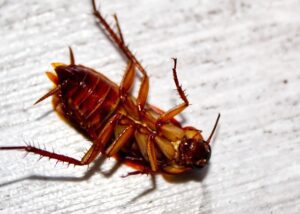
To eradicate a cockroach infestation, an integrated pest management solution is often required.
2. Flies:
In a nutshell, flies are extremely unsanitary creatures. They carry many types of diseases that can make humans and animals, including livestock, extremely ill. They can, due to their unhygienic living conditions, spread a variety of diseases with some of the main types including malaria, salmonella, tuberculosis, cholera, and even anthrax, and are certainly not a good pest to have within the food industry.
Top tips to keep flies away and stop a pest infestation include:
Keep your environment clean and sanitary;
Keep your bins closed and empty frequently;
Ensure that your countertops and desk areas are clean and washed frequently;
Flies enter the building in search of food, make their entry difficult by installing meshed windows that will allow ventilation while keeping the unwanted pests outside;
Ensure that all waste, but especially food waste, is dealt with timeously.
3. Ants:
The easiest way to know that you have a problem with ants is when you spot the tell-tale tiny mounds of sand popping up here, there, and everywhere or spot their determined little army marching along your production line! Outside, you will notice ant mounds made of soil or dirt near paving, on the edge of a grassed area, or even along walls. They may look small, but the real problem is what is happening below ground, including large nests.
Another clear indication is the hustling, bustling activity of little ants, marching on a mission to forage for food and water from their closest source – your business! They can be outside, heading in, or already within the building. Check crevices and cracks for activity.
But how do you keep them away? Simple…make your work environment as unappealing as possible to them to prevent an annoying ant infestation. Keep the premises neat, both inside and out. Clean up spillages of products or food items immediately and ensure that all product packaging adequately protects against pests, including ants. Around the building or factory premises, ensure that the surrounding garden or outside space is clear of dead plants, and decaying garden waste and that waste from both inside and outside the premises is disposed of quickly – without giving the ants some choice breeding ground.
4. Rodents:
Rodent control is not only necessary to prevent property damage but also to curb unsavoury living conditions with the spread of lice, ticks, and fleas that these pests can carry. Unfortunately, rodents are also known to transmit diseases and in South Africa, these include diseases such as Lassa fever, leptospirosis, and hantavirus.
Rodents remain one of the most common pests found within the food industry The bad news is that once you realise that you have rodents on your premises, there is a good chance that you already have a mammoth rodent infestation that will require a pest control specialist to implement rodent control and rodent extermination measures.
5. Stored Product Pests:
Stored product pests (moths, weevils, and beetles), also known as pantry pests, can quickly cause havoc. They can breed fast and build huge populations which can cause major damage and even result in contaminated food shipments to customers.
They not only spread quickly but also attack many different types of foods including wheat, corn, barley, rice, nuts, and whole grains.
Stored product pests, including weevils, breed and spread quickly
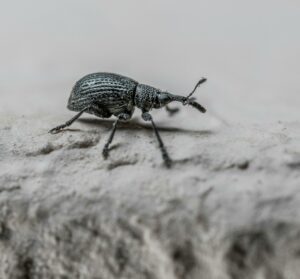
Stored product pests, including weevils, breed and spread quickly
How do I detect a pest infestation?
There are a couple of signs to take notice of that will indicate that yes, Houston we have a problem, and require a pest control specialist!
1. Spotting a live pest
The easiest telltale sign that you have a problem, is when you spot one – or more! – pests in your workplace. Check high-volume areas such as canteens, storage areas, kitchens, meeting rooms, and so forth. Whether it be a rodent dashing between boxes or ants making their merry way through your kitchen area, live sightings are the easiest way to confirm that you do indeed have a problem.
Sighting can be in the form of eggs, larvae, or even adult pests. Other signs that can indicate an infestation are finding a nest or nesting materials, droppings, or even food stashes.
2. Droppings
As pests move into the area, they are bound to both urinate and leave droppings which can assist in identifying the type of pest with which you are dealing. When looking for their hiding places, check areas behind furniture, and appliances and within or around food storage areas as they forage for a meal.
3. An Unpleasant Odour
When you’re sure that you do have some unwanted rodent visitors but cannot find any droppings, another clear way to confirm their arrival is the smell of their urine. Both mouse and rat urine have a very distinct ammonia-like aroma. If you have been unfortunate enough to have one of these pests die within your business premises, you will notice a strong cabbage-like smell that just lingers for up to a couple of weeks, no matter what you do or where you clean! If you smell something that is out of place or an odour that just doesn’t belong, do a search – you may just happen upon a dead body!
