

27 Feb Common Pests in South Africa and The Diseases They Carry
We may not think so, but pests can negatively impact our daily lives. From that cockroach that you see scurrying across the kitchen floor at night when you turn on the light to the tiny field mouse that has taken up residence in the garage, pests do affect our lives, not only by being a nuisance but also by the diseases that they carry.
What is a pest?
A pest is an organism harmful to humans or human concerns, including damage to building structures, crops, and livestock or animals. Humans can see them as a nuisance, for example, at home or in the work environment. Lastly, they can have severe consequences by carrying diseases that could be dangerous to humans. Pest control specialists are called in to assist with eradicating pests in the home or an industrial or commercial environment.
How can pests be dangerous to humans?
Pests carry a variety of diseases, which can be harmful to humans. They can affect humans in the following ways:
Disease Carriers
Pests can carry many diseases and cause many illnesses. The deadliest creature in the world, raking up more than 750,000 deaths annually, is the common mosquito that carries malaria.
What diseases do some of the common pests carry?
Flies – Cholera, Dysentery
Ticks – Tick bit fever and Lyme’s disease
Cockroaches – Dysentery
Rats & Mice – Salmonella, Leptospirosis, plague, and typhus
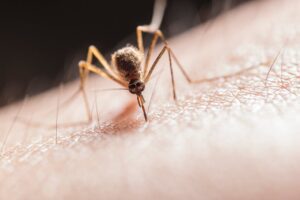
Mosquitos are seen as one of the most dangerous pests on earth and is responsible for hundreds of thousands of deaths per year.
Allergic Reactions
Cockroaches, rodents, and dust mites are common triggers for allergic reactions. They can affect individuals with severe allergic reactions to pests’ waste, bacteria in their droppings, and their saliva. People can experience a variety of allergic reactions, including respiratory complications such as sneezing, coughing, wheezing, rashes, hives, and itching.
Asthma or Respiratory Issues
Did you know that rats, mice, and cockroaches produce allergens that can negatively affect people with asthma? They can trigger an asthma attack, causing significant distress and serious medical consequences for the person at risk.
Mental Health Challenges
- This angle of pest infestations is rarely spoken about, but it is very real. People who have experienced pest infestations often suffer from anxiety, nervousness that it will happen again, worry about what will happen if it does, and also stress about how others perceive them or their home and if they are now seen or labeled as “dirty.”
- For example, if the home has had a rodent infestation, a person could stress or remain anxious about their possible return, constantly listening for sounds of them scurrying on the roof or looking for telltale signs of their return. They may start always closing doors or checking windows, not wanting to have a space where rodents can enter.
- They may lie awake at night, suffering from insomnia, waiting for the pitter-patter of tiny feet across the kitchen floor.
- They may have a child or member of the household who suffers from allergies, asthma, or other health-related challenges that may be negatively affected by pests. This can cause significant stress for an individual!
- Their stress levels may rise thinking of the extra money that would need to be spent to target, and they may even become depressed thinking of this possibility.
These are all very real, but rarely discussed, side-effects of a pest infestation.
How do I keep my home free from a pest infestation?
The best way to keep your home pest-free is to make it as inhospitable as possible for them.

Keeping your kitchen and home clean and clutter-free will assist in deterring pests and not allow them places to hide.
Tips for A Pest-Free Environment
- Keep the kitchen clean – Tidy away all crumbs, messes, and spills after meal preparation. Ensure that all foods are packed away and packaged in air-tight containers. Store them out or in the fridge, as required.
- Rid the garden of standing water – Standing water is the easiest way to attract pests like mosquitos, flies, and midges. Empty old containers, buckets, tyres, and so forth. In South Africa, we are trying incredibly hard to save water where we can, and many households have tanks or large containers to assist in the efforts to save this resource. Ensure that those water containers are closed for safety reasons and because standing water attracts pests.
- Keep the garden neat – Rid the garden area of overgrown trees, shrubs, and plants. When trimmed and neatened, remove the rubbish to the tip, ensuring no further hidey holes or areas for pests to use as nests or build a home.
- Bright, clean bathrooms – Bathrooms are notorious for being warm and damp. Open windows ensure adequate ventilation and the area is frequently cleaned with good-quality hygiene products.
- Close gaps or crevices within the home or entry points into the house – Make it as difficult as possible for pests to enter the home by sealing and closing any entry points.
- Wire mesh for windows – Windows are a great entry point for pests; close them with mesh to ensure unrestricted airflow into the house, but rodents, bugs, insects, spiders, and other creepy crawlies stay out!
- Pet Food – Store your pet’s food in a sealed, air-tight container to avoid other little creatures making a meal of it. Also, be sure to feed your dogs sufficient, but not enough that the food stays in the bowls for hours or overnight, as that will surely attract rats and mice.
- Plants – Did you know that some plants and flowers, such as marigolds that deter mosquitos, assist in preventing pests? Planting herbs around the house will give you access to a choice of fresh ingredients when cooking and assist in keeping pests at bay. Mint is renowned for repelling mosquitos and spiders, while basil keeps the fly and mosquito numbers down.
- Scented Oils – When sitting outside and enjoying a lovely braai, the last thing you need is a mosquito making a meal of you! Burn some citronella candles for ambiance because these biting, buzzing, and annoying pests hate the smell. Other smells and oils known for assisting in natural pest control include peppermint (good for repelling spiders, cockroaches, and ants) and lavender, which repels flies and cockroaches, amongst others.
Where do pests hide in my home?
- Being so tiny, thin, and flat, some pests can hide between files, books, and even book pages!
- Areas such as sealed cupboards, underneath filing cabinets, and closed drawers are well-liked by pests.
- Larger pests, such as mice and rats, hide under cabinets, behind, and within areas that aren’t cleaned often, such as desks, bookcases, and large plants.
I have a pest management problem. What now?
The best advice we can give is to call in a registered pest control specialist to assist you. Remember, you may have seen one or two pests, but many more are hiding in the shadows, under the cupboards, or in the drawers, just waiting for the right moment to appear!
A pest control specialist will first conduct an audit to ascertain the problem areas, which pests are active in the area, and how best to tackle the problem.
Kallvest is a registered pest control specialist who provides integrated pest management solutions for all your pest management needs. With branches throughout South Africa’s major centres, they stand by to assist you and eradicate your pest management problem!
Please see Kallvest’s integrated pest management systems for further information.
